The right e-bike is not necessarily the one with the biggest advertised motor or range figure. Start with your daily use, then compare the exact components and support offered with the bike.
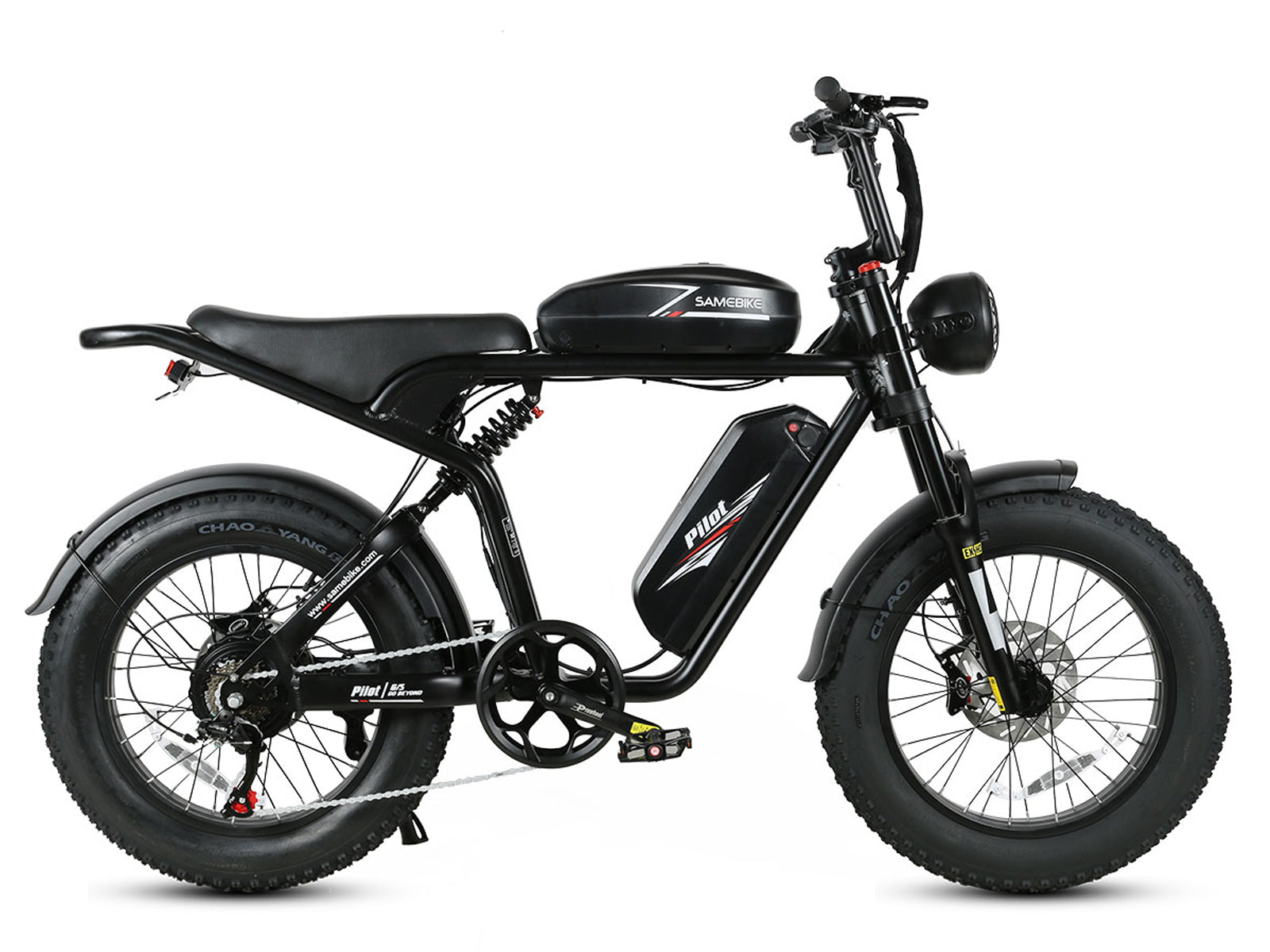
1. Match the bike to your route
- City commuting: comfort, visibility, predictable brakes and practical accessories.
- Mixed surfaces: tyre choice, frame geometry and appropriate braking performance.
- Small storage space: folded dimensions and whether the bike is manageable to carry.
- Longer rides: battery energy, charging time, replacement battery availability and charging safety.
2. Compare battery capacity correctly
Voltage and amp-hours are commonly listed on product pages. Multiplying volts by amp-hours gives an approximate watt-hour (Wh) figure: for example, 48 V × 15 Ah = 720 Wh. Watt-hours are useful for comparing energy capacity, although battery quality and system efficiency still matter. See the full battery and range guide.
3. Understand motor claims
Listings may quote rated/continuous power, peak power, torque or a marketing headline. These are different measures. Ask the seller to identify the rated motor output and the configuration supplied in your country. More power is not automatically better if it makes the bike heavier, reduces range or changes the legal category.
4. Check brakes, weight and components
Confirm the brake type and rotor size, tyre dimensions, drivetrain, suspension and total weight. For heavier e-bikes, braking performance and the ability to manoeuvre or lift the bike deserve particular attention. Do not assume that two listings with similar names use identical parts.
5. Investigate warranty and after-sales support
- Who handles warranty claims in your country?
- Are replacement batteries, controllers, displays, brake parts and other spares available?
- Who pays shipping for warranty parts or a return?
- Is assembly required, and what tools or mechanical skills are needed?
- Are warranty terms written clearly before purchase?
6. Check road legality locally
E-bike rules differ by country and sometimes by region. Motor power, assistance cut-off speed, throttle operation and vehicle classification can affect where a bike may be used. Confirm the rules with the relevant local authority before riding on public roads. A seller's use of the word “legal” is not a substitute for checking the actual specification and local law.
7. Compare the full cost
Include delivery, import duties where applicable, assembly, security, servicing, replacement parts and potential battery replacement—not just the displayed sale price. Also compare payment protection and the clarity of the seller's return policy.
Quick pre-purchase checklist
- Exact model/version confirmed in writing
- Battery Wh and motor rating understood
- Bike weight and dimensions suit your needs
- Brakes and tyres suit your terrain
- Warranty and returns read carefully
- Local road rules checked
- Spare parts and support confirmed
Use the SAMEBIKE model guide to narrow your options, then compare the specific listing against this checklist.